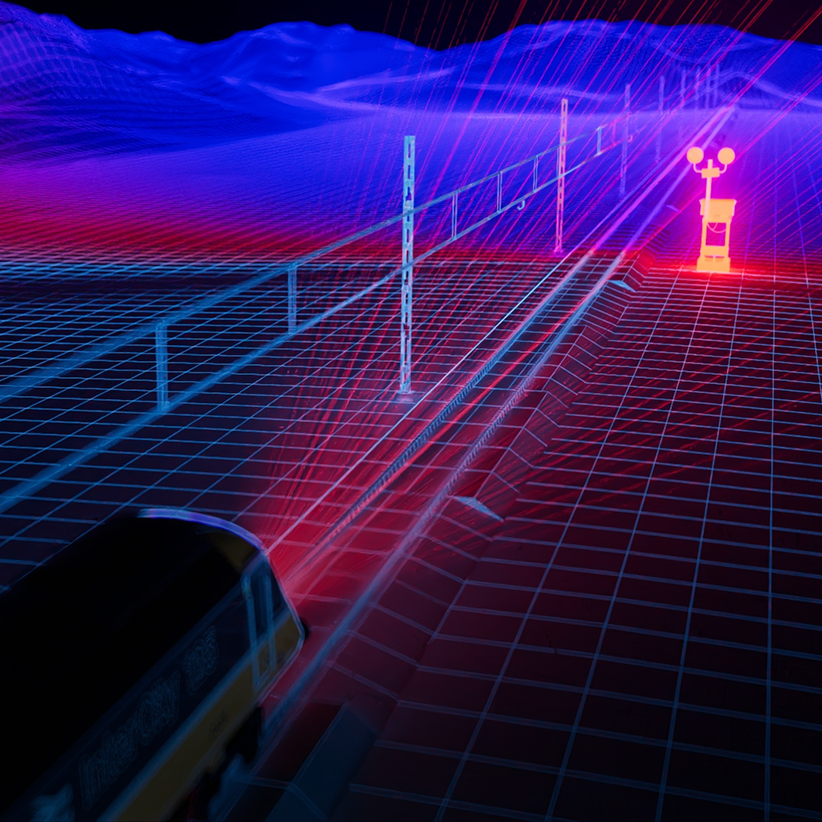
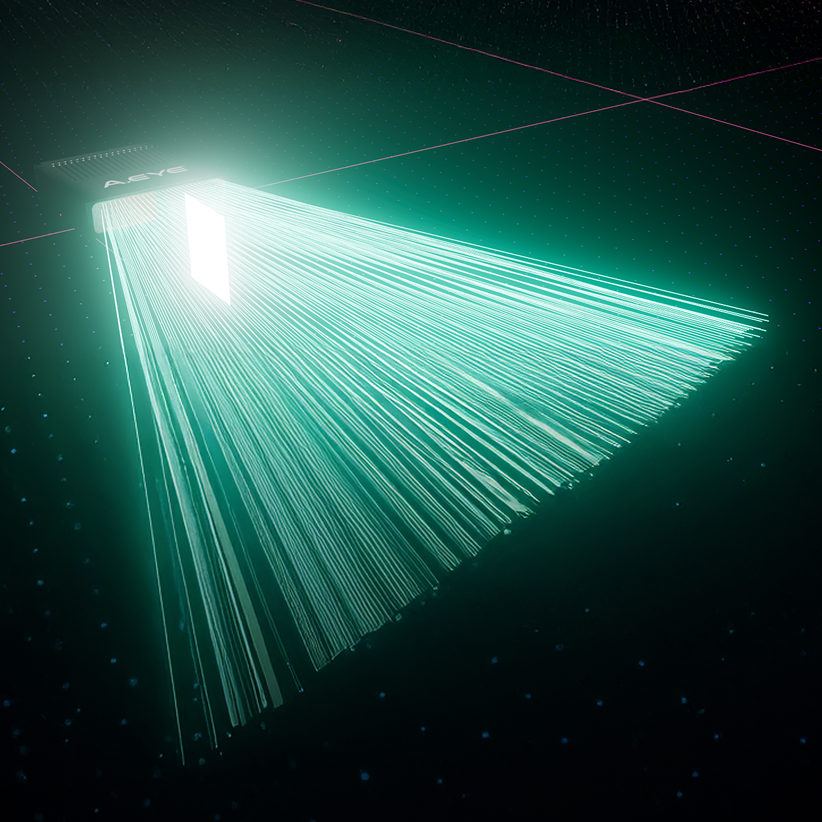
Frequently Asked Questions

Product Information

What is AEye and what does the company do?

AEye specializes in advanced, adaptive lidar solutions designed to enhance safety, efficiency, and productivity across industries such as automotive, smart infrastructure, defense, logistics, aviation, and rail. Its software-defined lidar technology enables machines to perceive, reason, and act safely in real-world environments, supporting applications from advanced driver-assistance systems (ADAS) to fully autonomous vehicles and smart infrastructure projects. Source

What products does AEye offer?

AEye offers several key products: Apollo (a flagship lidar sensor with up to 1 km detection), OPTIS™ (a full-stack solution combining lidar, perception, and AI compute), and the 4Sight Intelligent Sensing Platform (delivering precise measurement imaging for autonomous vehicles, smart infrastructure, and logistics). All products are software-defined, customizable, and support over-the-air updates. Source

What is unique about AEye's software-defined lidar technology?

AEye's software-defined lidar allows for real-time customization and scalability without hardware changes. This means users can adapt the system to specific applications and environments, ensuring long-term relevance and reducing the risk of obsolescence through over-the-air updates. Source

What is the Apollo lidar system and what are its capabilities?

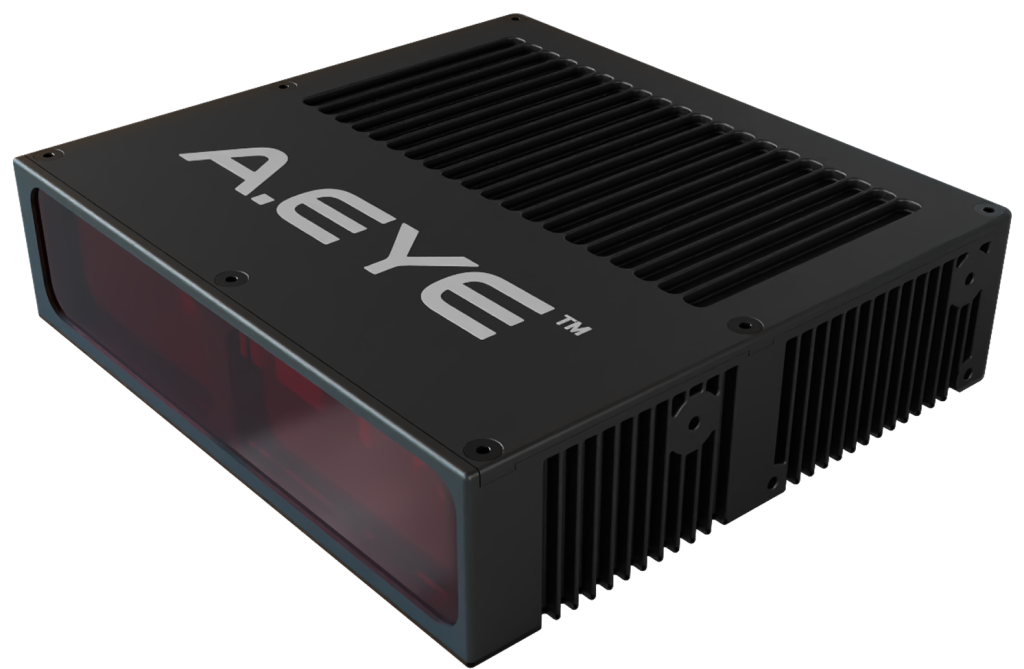
The Apollo lidar system is AEye's flagship product, capable of detecting objects at distances up to one kilometer. It features a compact design, high resolution, and dynamic scan patterns, making it suitable for highway autopilot, high-speed driving, and behind-the-windshield integration. Source

What is OPTIS™ and how does it work?

OPTIS™ is a full-stack solution from AEye that fuses lidar, perception, and AI compute to detect objects, deliver real-time intelligence, and take appropriate action. It is designed for smart infrastructure, safety, security, and automated transportation logistics, enabling early detection and real-time understanding. Source

What is the 4Sight Intelligent Sensing Platform?

The 4Sight Intelligent Sensing Platform is designed to deliver precise measurement imaging for applications such as autonomous vehicles, smart infrastructure, and logistics. It enhances safety, efficiency, and adaptability, and is built on AEye's software-defined lidar technology. Source

What technical documentation is available for AEye's products?

AEye provides detailed specification sheets, white papers, and case studies. For example, the Apollo spec sheet, white papers on lidar technology, and real-world case studies are available on the AEye Resources page. Source

What is the manufacturing capability and product maturity of AEye's solutions?

AEye operates a capital-light manufacturing model with a Tier-1 global partner, supporting scalable production of tens of thousands of units annually. Apollo is a production-ready, automotive-grade platform, while Stratos is the next-generation ultra-long-range solution built on the same architecture. Source

What are the integration options for AEye's lidar sensors?

AEye's Apollo and 4Sight sensors support integration behind the windshield, on the roof, or in the grille, allowing OEMs to implement safety features with minimal impact on vehicle design. Source

Features & Capabilities

What are the key features of AEye's lidar solutions?

Key features include dynamic scan patterns, ultra-long-range detection (up to 1 km for Apollo, 1.5 km for Stratos), high resolution, adaptability to challenging environments (rain, darkness, fog), software-defined customization, over-the-air updates, and flexible mounting options. Source

How do dynamic scan patterns improve performance?

Dynamic scan patterns allow AEye's lidar to adjust in real-time, focusing on critical areas for enhanced safety and efficiency. This is especially valuable in autonomous driving and smart infrastructure, where early detection of hazards is crucial. Source

How does AEye's lidar perform in challenging environments?

AEye's lidar systems are engineered to perform reliably in adverse conditions such as rain, darkness, and fog, ensuring consistent performance and operational reliability. Source

What is the benefit of over-the-air updates for AEye's lidar?

Over-the-air updates ensure that AEye's lidar technology remains relevant and adaptable to evolving needs, reducing the risk of obsolescence and enabling new features without hardware changes. Source

Does AEye support integration with NVIDIA DRIVE AGX?

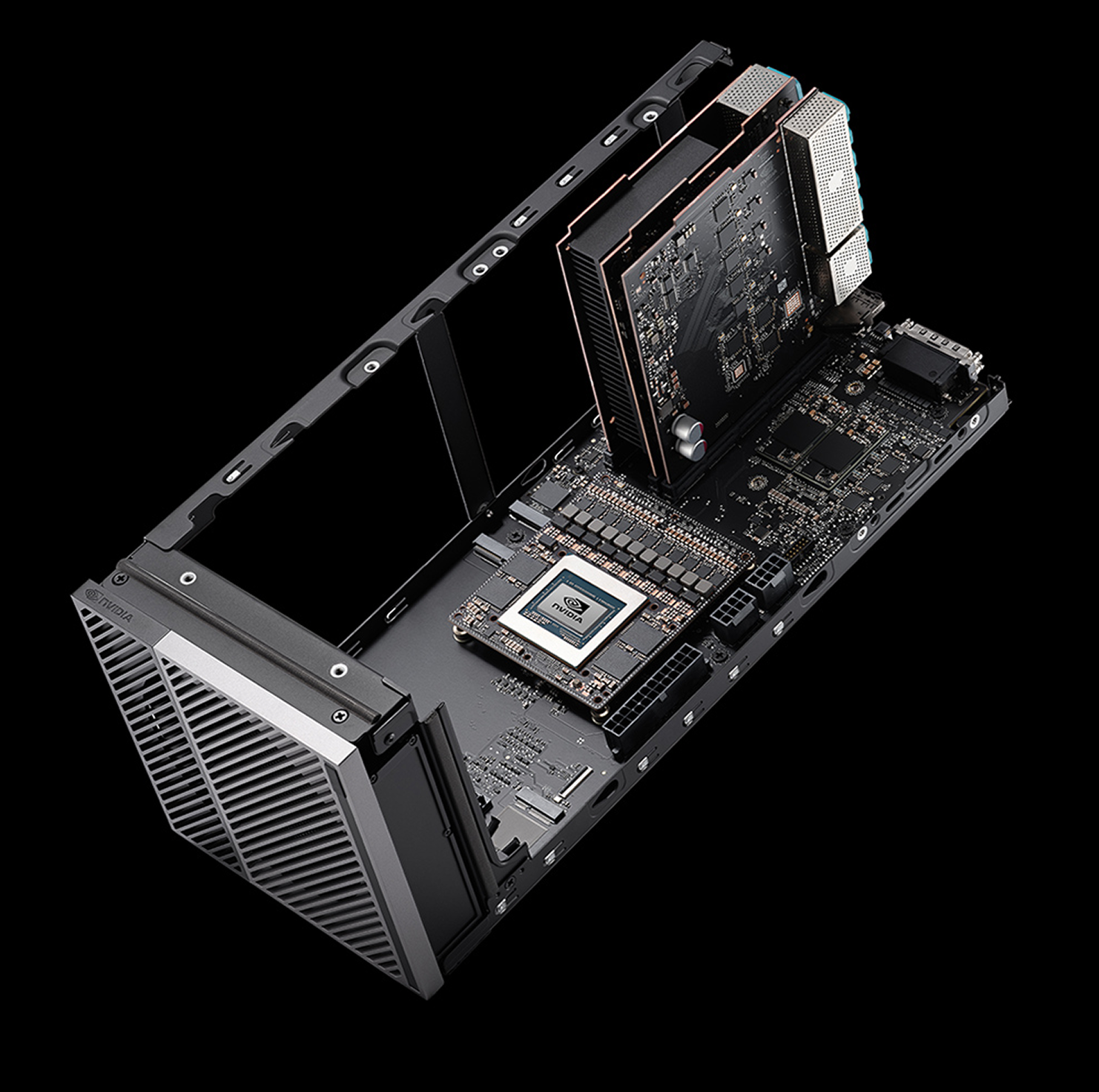
Yes, AEye's Apollo sensor is fully integrated with NVIDIA's Autonomous Driving Platform, including NVIDIA AGX DRIVE Thor™, combining long-range lidar perception with AI compute for advanced autonomous driving and physical AI systems. Source

How flexible is the placement of AEye's lidar sensors?

AEye's compact design supports various mounting options, including in-cabin, behind the windshield, on the roof, or in the grille, allowing for optimal placement based on user requirements. Source

What are the advantages of AEye's software-defined architecture?

AEye's software-defined architecture allows for customization and scalability without hardware changes, making it easy to adapt to different applications and future requirements. Source

Use Cases & Benefits

What industries benefit most from AEye's lidar solutions?

Industries that benefit most include automotive and trucking (ADAS/autonomous), smart infrastructure and intelligent transportation systems, aviation and aerospace, defense and security, rail, logistics, ports, and industrial automation. Source

What are some real-world use cases for AEye's lidar technology?

Real-world use cases include early pedestrian detection in autonomous driving (A Pedestrian in Headlights), obstacle avoidance, false positive reduction, abrupt stop detection, and adapting to new challenges through software updates. Source

How does AEye's lidar improve safety in autonomous applications?

AEye's lidar enables early detection, better perception, and faster reaction times, improving safety in autonomous applications. Case studies such as A Pedestrian in Headlights and Flatbed Trailer Across Roadway demonstrate these benefits. Source

How does AEye's lidar help with customization and scalability?

AEye's software-defined lidar can be tailored to meet unique specifications, as shown in use cases like Obstacle Avoidance, where the system adapts to specific environments and applications. Source

How does AEye's lidar adapt to challenging environments?

AEye's lidar performs reliably in adverse conditions such as rain, darkness, and fog, as demonstrated in use cases like False Positive and Abrupt Stop Detection. Source

How does AEye's lidar support future-proof technology?

AEye's 4Sight lidar systems offer over-the-air upgrades, ensuring they remain relevant and meet future requirements, as shown in the Cargo Protruding from Vehicle use case. Source

How does AEye's lidar improve operational efficiency?

AEye's solutions deliver software updates over the air, eliminating the need for costly hardware updates and reducing unnecessary braking or maneuvers, as highlighted in the False Positive use case. Source

Competition & Comparison

How does AEye compare to Velodyne?

Velodyne offers traditional lidar systems with fixed scan patterns and focuses on high-resolution imaging but lacks software-defined architecture. AEye stands out with dynamic scan patterns, software-defined customization, and over-the-air updates, providing greater adaptability and future-proofing. Source

How does AEye compare to Luminar?

Luminar focuses on long-range lidar for autonomous vehicles and is primarily hardware-focused. AEye offers dynamic scan patterns, adaptability to challenging environments, and flexible mounting options, making it more versatile for various applications. Source

How does AEye compare to Innoviz?

Innoviz offers solid-state lidar with a focus on automotive applications but has limited software-defined customization. AEye's lidar is customizable without hardware changes, supports over-the-air updates, and provides ultra-long-range detection and high resolution. Source

Why should a customer choose AEye over alternatives?

Customers should choose AEye for its dynamic scan patterns, software-defined architecture, future-proof design, high performance, and flexible placement options. These features provide scalability, adaptability, and efficiency for a wide range of industries and applications. Source

What are the advantages of AEye for different user segments?

Engineers benefit from ease of integration and validation tools; product managers appreciate scalability and future-proof design; safety officers value enhanced safety features; and executives are drawn to operational efficiency and ROI. Source

Support & Implementation

How easy is it to implement AEye's products?

AEye's products are designed for ease of integration with existing systems, supported by comprehensive technical support, validation testing tools, and extensive training resources. This ensures a smooth and efficient onboarding process. Source

What support does AEye provide during implementation?

AEye provides direct technical assistance, validation testing tools, and user education through documentation, tutorials, and hands-on training sessions to help customers adapt the technology to their needs. Source

What feedback have customers given about the ease of use of AEye's products?

Customers benefit from ease of integration, comprehensive technical support, user education, and validation testing tools, making the onboarding process smooth and efficient. Source

How long does it take to implement AEye's solutions?

While the exact timeline varies by use case and system requirements, AEye's focus on ease of integration, technical support, and validation tools ensures customers can quickly and confidently adopt its products. Source

Customer Proof & Case Studies

Who are some of AEye's customers?

AEye's technology is used by customers in automotive, intelligent transportation systems, aviation, defense, rail, and smart infrastructure. Notable partnerships include Continental (volume production), Sanmina Corporation (manufacturing), and NVIDIA (AI compute integration). Source

What industries are represented in AEye's case studies?

Industries include automotive, trucking, smart infrastructure, aviation, defense, rail, and logistics, demonstrating the versatility of AEye's lidar technology. Source

Can you share specific case studies or success stories?

Yes, AEye has documented several real-world applications, such as A Pedestrian in Headlights (pedestrian detection), Flatbed Trailer Across Roadway (obstacle detection), and Obstacle Avoidance (customization and scalability). Source

What pain points does AEye solve for its customers?

AEye addresses pain points such as early hazard detection, reliable performance in adverse conditions, customization for unique applications, future-proofing through software updates, and operational efficiency. Source

AEye Reports Fourth Quarter and Full-Year 2025 Results; Strengthened Foundation for Commercial Growth Read more AEye Joining NVIDIA Halos AI Systems Inspection Lab to Advance Safety-Certified Physical AI Solutions Read more AEye Reports Fourth Quarter and Full-Year 2025 Results; Strengthened Foundation for Commercial Growth Read more AEye Joining NVIDIA Halos AI Systems Inspection Lab to Advance Safety-Certified Physical AI Solutions Read more

What could you do if you could see 1 km away?

See the Future.

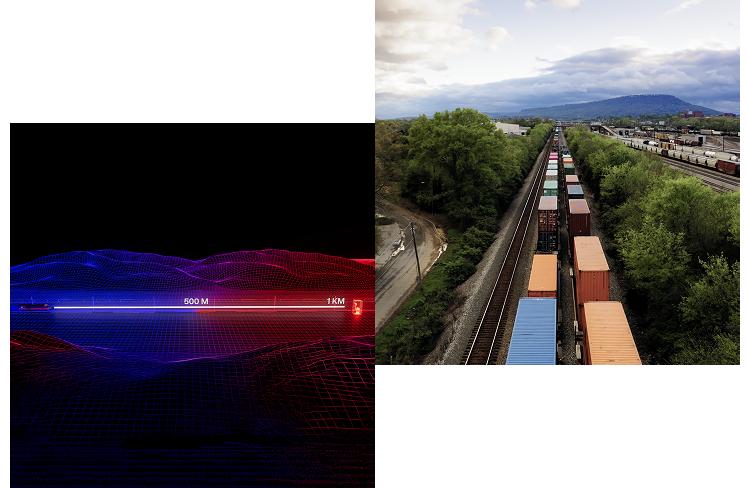
See farther. Think faster. Act sooner. Palm-sized, software lidar with 1 km of intelligent vision – for situations where time and distance matter most.
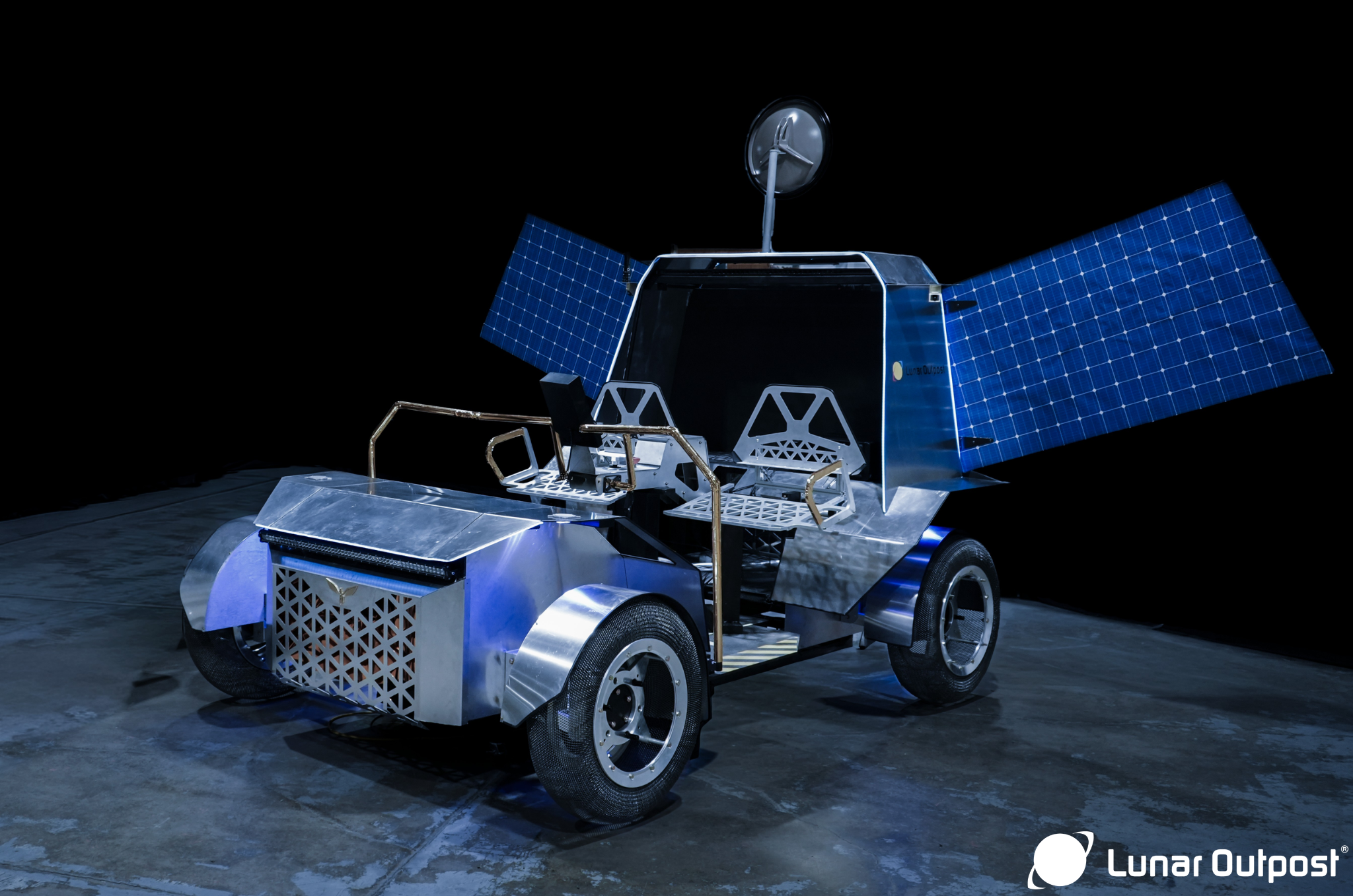
Software-Defined Perception Meets AI Compute.

Apollo integrates seamlessly with NVIDIA DRIVE AGX Orin, combining long-range lidar perception with industry-leading AI compute. The result is a perception system designed for real-world autonomy – scalable, efficient, and ready for deployment.

Learn more
Frequently asked questions

What are the advantages of lidar sensing compared to cameras and radar?

The challenge on the road is trust: can a vehicle truly “see” far enough, fast enough, and clearly enough to keep people safe? Cameras and radar alone can’t deliver that confidence. Cameras are limited by lighting and weather, while radar lacks the spatial resolution needed for precise perception.

AEye addresses this gap with lidar – laser scanning that builds precise 3D maps of the road ahead. Our system is adaptive, using AI-driven intelligence to highlight hazards faster, farther, and more reliably than conventional sensors. The result is Physical AI for mobility: vehicles that anticipate danger and react instantly. Whether you’re building advanced driver assistance systems today or fully autonomous platforms tomorrow, AEye delivers the clarity, performance, and scalability to get you there – all at a cost that works.

How can AEye’s Lidar help differentiate my ADAS or autonomous driving solution?

AEye’s Lidar differentiates itself for ADAS and autonomous systems by delivering earlier awareness, adaptive performance, and consistent real-world reliability—capabilities that translate directly into safer, smoother driving and scalable deployments.

  • Long-range, high-precision detection: AEye’s Lidar detects objects at long distances with accurate 3D depth and shape, giving your system more time to plan and respond—especially at highway speeds.
  • Software-defined: Because our lidar is software-defined, it can also be modified without requiring changes to the hardware components
  • Reliable performance when cameras struggle: AEye’s Lidar performs consistently in low light, glare, shadows, and high-contrast scenes, reducing false alerts and improving real-world reliability. AEye’s Lidar is also capable of detecting objects through inclement weather such as rain, sleet or snow.
  • OEM-friendly integration: AEye’s Lidar solutions include compact and ultra-compact designs that fit in the palm of your hand and lend themselves to multiple use cases including a clean behind-the-windshield integration for automobiles. 
  • Scalability: AEye’s capital-lite manufacturing model through our premier Tier-1 partner enables us to support high-volume programs.

In short: AEye’s Lidar helps your solution stand out by seeing farther, adapting intelligently, and working reliably in the conditions drivers encounter every day—with a clear path to scale and upgrade over time.

How can AEye enable the implementation of cutting-edge physical AI for smart infrastructure, safety, security, and automated transportation logistics?

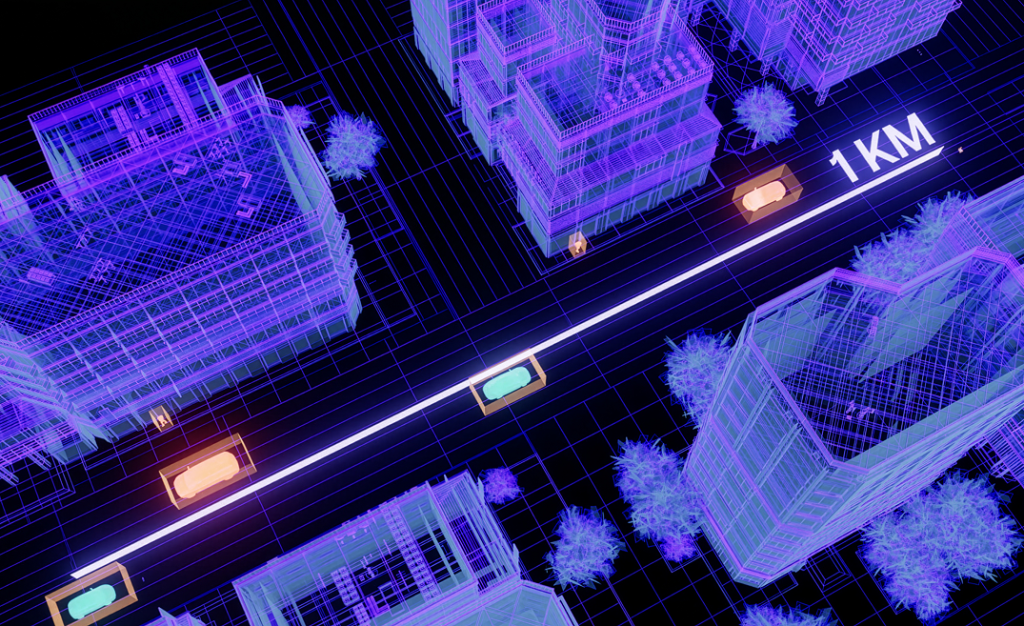
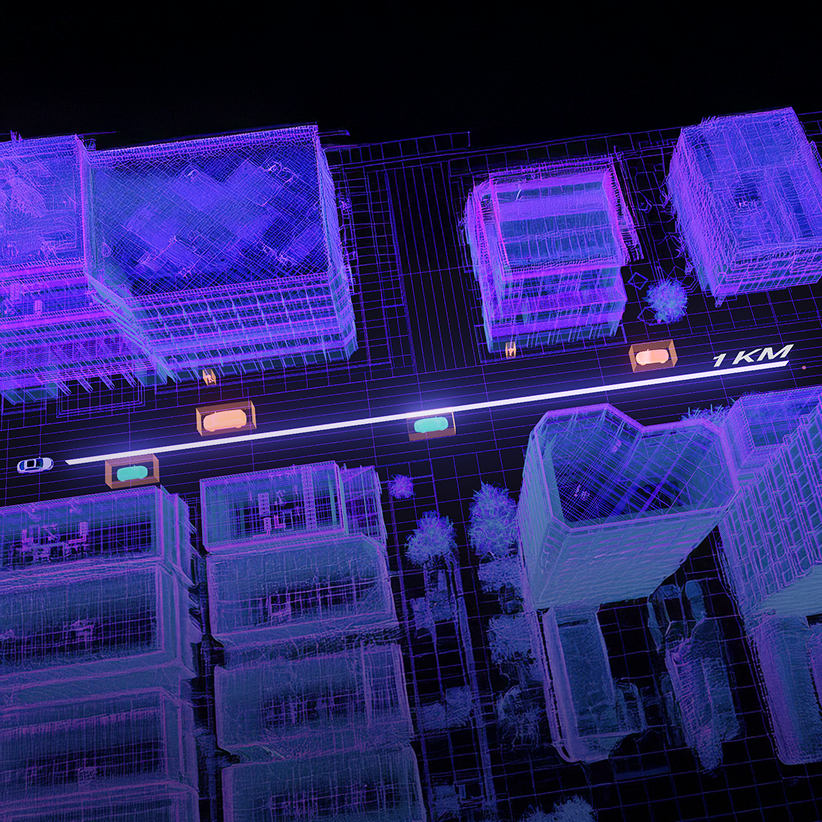
AEye’s OPTIS™ is a purpose-built solution that couples AEye’s capability of detecting objects at up to one kilometer, with software from our curated list of partners to deliver a full-stack option that incorporates lidar, perception and physical AI.  OPTIS™ enables early detection of vehicles, people, and objects on highways and across intersections, rail corridors, perimeters, ports, and logistics yards—critical for safety and operational efficiency. 

By providing consistent, high-quality perception data, AEye enables higher-level AI to reason about the physical world and take action—powering safer intersections, secure perimeters, and more efficient automated transportation and logistics systems.

In short: AEye’s OPTIS™  delivers a full-stack physical AI system that moves beyond awareness to real-time understanding and action, unlocking safer, smarter, and more automated infrastructure and transportation networks.

What industries benefit the most from AEye’s Lidar solutions?

AEye’s software-defined, ultra-long-range lidar, delivered in a compact form , enables physical AI—machines that perceive, reason, and act safely in the real world. Here are the industries that benefit most, and why:

  • Automotive and Trucking (ADAS/Autonomous)
  • Smart Infrastructure and Intelligent Transportation Systems including traffic management, intersection safety, tolling and smart corridors
  • Aviation & Aerospace including airport safety, perimeter monitoring and detection of Unmanned Aerial Vehicles (UAVs)
  • Defense & Security
  • Rail 
  • Logistics, Ports and Industrial Automations/vehicles

What makes APOLLO™ and STRATOS™ capable of behind-the-windshield integration?

AEye’s APOLLO™ and STRATOS™ combine ultra-long-range performance with compact, automotive-ready designs, making them well suited for behind-the-windshield integration. APOLLO™ can detect objects at distances of up to one kilometer, while the recently announced STRATOS™ extends detection out to 1.5 kilometers.

Both sensors are encapsulated in small form factors, roughly the size of a smartphone. without bulky mechanical components. This compact, solid-state architecture allows OEMs to integrate high-performance lidar cleanly behind the windshield, preserving vehicle aesthetics while improving durability, reliability, and ease of integration.

There are several lidar players out there—what makes AEye stand out?

AEye’s Lidar stands out for a number of reasons:

  • Distance: AEye’s APOLLO™ and STRATOS™ platforms enable intelligent vision at distances of up to 1 kilometer and 1.5 kilometers – ideal for use cases that require our customers to truly See The Future™
  • Software Defined Approach: AEye’s sensors–APOLLO, STRATOS™ and OPTIS™–can be configured to meet the needs of each customer, without requiring timely or costly hardware changes or updates.
  • Small Form Factor: Both APOLLOand STRATOSare delivered in compact, automotive-grade form factors. This flexibility allows customers to optimize positioning – including behind the windshield – for their specific use cases. Because this small form factor allows for internal placement, external risks to the unit are limited and the total cost of ownership is kept in check.

Tell me about AEye’s manufacturing capability and current level of product maturity

AEye operates a capital-light manufacturing model anchored by a Tier-1 global partner, with a dedicated production line capable of scaling to tens of thousands of units annually.

APOLLO™, capable of detection at up to one kilometer, is a production-ready, automotive-grade platform that has completed extensive validation and is already being deployed with customers, while STRATOS™ represents our next-generation ultra-long-range solution built on the same mature, scalable architecture.

Who is currently using your product and in what industries?

AEye’s technology is being used by customers across automotive, intelligent transportation systems, aviation, defense, rail, and smart infrastructure. These industries value long-range, high-precision perception to enable safer, faster, and more autonomous operation in complex, real-world environments—exactly where AEye’s software-defined lidar delivers the greatest advantage.

The AEye Customer Experience

_01
High performance and long-range detection at a competitive price point
_02
Configurable sensing, tailored to specific use cases
_03
Software updates that extend capability over time
_04
Dedicated support from integration to operation
_01
High performance and long-range detection at a competitive price point
_02
Configurable sensing, tailored to specific use cases
_03
Software updates that extend capability over time
_04
Dedicated support from integration to operation

Ready to Add Long-Range Vision to Your System?

Connect with our team to discuss your use case and explore how AEye’s adaptive lidar can meet your system needs.